If you’ve spent another July weekend dragging a sprinkler across a patchy lawn, fighting sandy soil that won’t hold seed, or watching your grass go from green to brown the second a watering restriction kicks in, you’ve probably wondered: is artificial turf worth it?
It’s a fair question, and the honest answer is: it depends on what you’re trying to fix. Artificial turf solves some very real Delaware-specific headaches but it isn’t automatically the right call for every yard or every budget.
In this guide, we’ll walk through exactly what artificial turf costs in Delaware, the genuine pros and cons (not just the marketing version), how it stacks up against real grass on the coast, and where it tends to make the most sense whether that’s around a pool, in a high-traffic dog run, or across a whole backyard that’s never grown grass properly to begin with.
What Is Artificial Turf, and Why Are Delaware Homeowners Asking About It?
Artificial turf has come a long way from the bright green, plastic-looking grass you might remember from old mini-golf courses. Today’s synthetic turf uses multi-tone fibers, infill systems, and drainage backing designed to look and feel close to real grass and to actually hold up outdoors year-round.
In coastal Delaware specifically, a few local conditions keep pushing this conversation forward:
- Sandy, fast-draining soil that makes it tough to establish a thick, even lawn
- Salt air and salt spray near the beach towns, which stresses out natural grass
- Heavy seasonal traffic from rental properties and vacation homes that get hard summer use and then sit dormant
- Watering restrictions that show up during dry stretches and make consistent lawn care unpredictable
None of that means grass is impossible here plenty of Sussex and Worcester County yards do just fine. But it does explain why so many homeowners start looking at turf as an alternative, especially for the parts of the yard that have never cooperated.
Pros and Cons of Artificial Turf for Delaware Yards
Let’s get into it honestly, because a lot of turf marketing skips the downsides entirely.
The Pros
It looks consistently green, year-round. No dead patches in August, no mud in March. For rental properties especially, that consistency matters a tenant or vacation guest isn’t going to forget to water the lawn.
No mowing, no watering, no fertilizer. This is the big one. You get your weekends back, and you’re not fighting watering restrictions during dry summers.
It handles heavy traffic well. Pool decks, dog runs, and high-use entertaining areas hold up to repeated foot traffic far better than natural grass, which thins out and dies under that kind of pressure.
Better drainage in problem areas. A properly installed turf system includes a compacted base and drainage layer underneath, which can actually outperform natural grass in low spots that tend to pool water after rain.
Lower long-term maintenance costs. No mower, no fertilizer bills, no reseeding after a rough winter.
The Cons
The upfront cost is real. Turf is a bigger investment than seed or sod, and that’s the main thing that gives homeowners pause more on actual numbers below.
It can get warm in direct sun. On a hot, sunny July afternoon, turf can run noticeably warmer underfoot than natural grass. This matters more for pool decks and play areas than for ornamental front-yard turf.
It’s not infinite. Quality artificial turf typically lasts 15–20 years, but it’s not a “forever” surface eventually it will need replacement, just on a much longer timeline than reseeding grass.
It needs occasional cleaning. Pet waste, leaves, and debris still need to be rinsed or brushed out periodically. It’s low maintenance, not zero maintenance.
Artificial Turf Cost in Delaware: What to Expect
This is usually the deciding factor, so let’s break it down plainly.
Artificial Turf Cost Per Square Foot
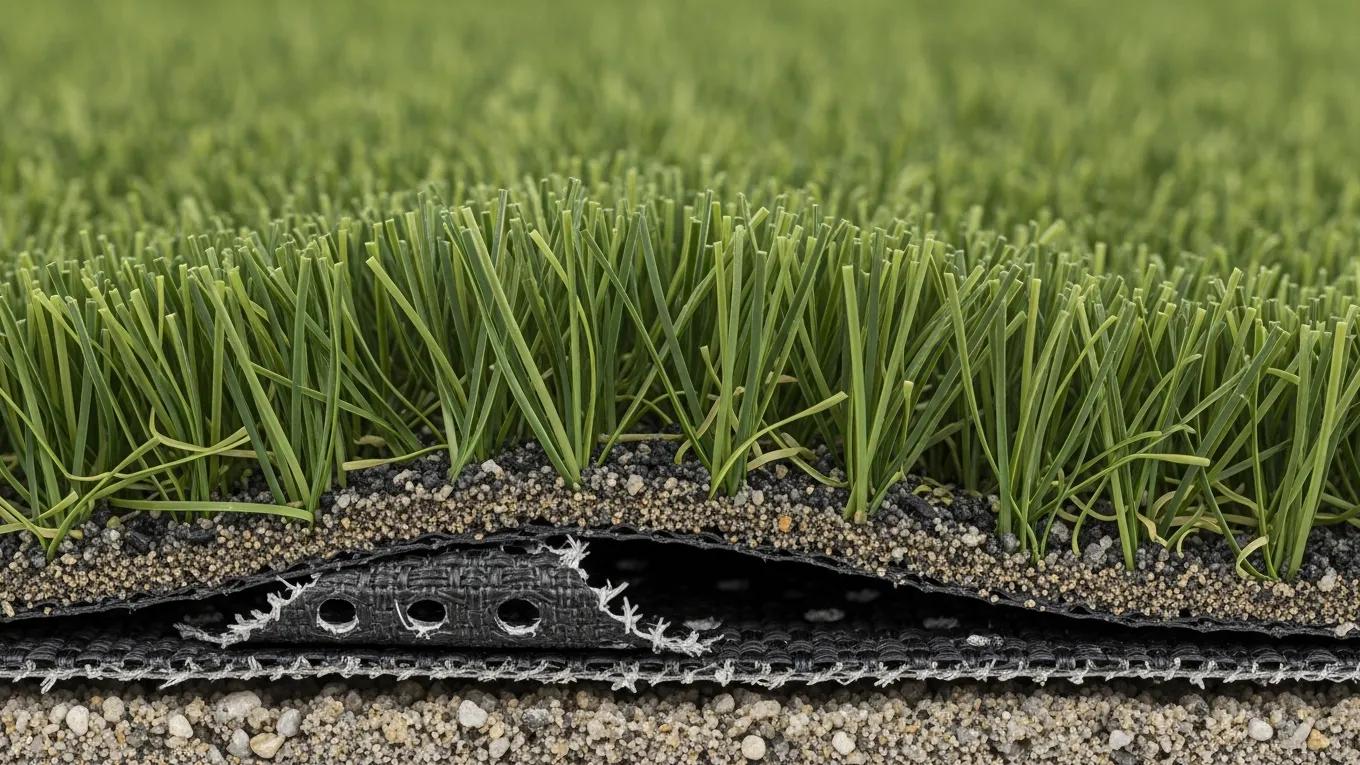
Installed artificial turf typically runs in a broad range depending on the product quality, infill type, and how much site prep your yard needs generally somewhere between the lower end for basic residential turf and noticeably higher for premium, pet-specific, or pool-grade systems with heavier drainage backing.
For a typical backyard project, that translates to a meaningful investment but one that’s spread across 15+ years of zero mowing, watering, or reseeding costs, which is where the long-term math starts to even out for a lot of homeowners.
What Affects Your Total Installation Cost
A few things move the price up or down on any given project:
- Site prep — removing existing grass, grading, and addressing drainage issues before turf goes down
- Square footage — larger continuous areas are typically more cost-efficient per square foot than small, broken-up sections
- Turf grade and pile height — premium, realistic-looking turf costs more than basic builder-grade product
- Infill type — standard sand infill versus antimicrobial or cooling infill designed for pets and pools
- Access and obstacles — tight side yards, lots of curves, or existing landscaping around the install area add labor time
The only way to get a real number for your yard is a site visit soil conditions and existing drainage vary block to block along the Delaware coast, and that affects how much prep work is actually needed.
Artificial Turf vs. Real Grass: Which Makes More Sense?
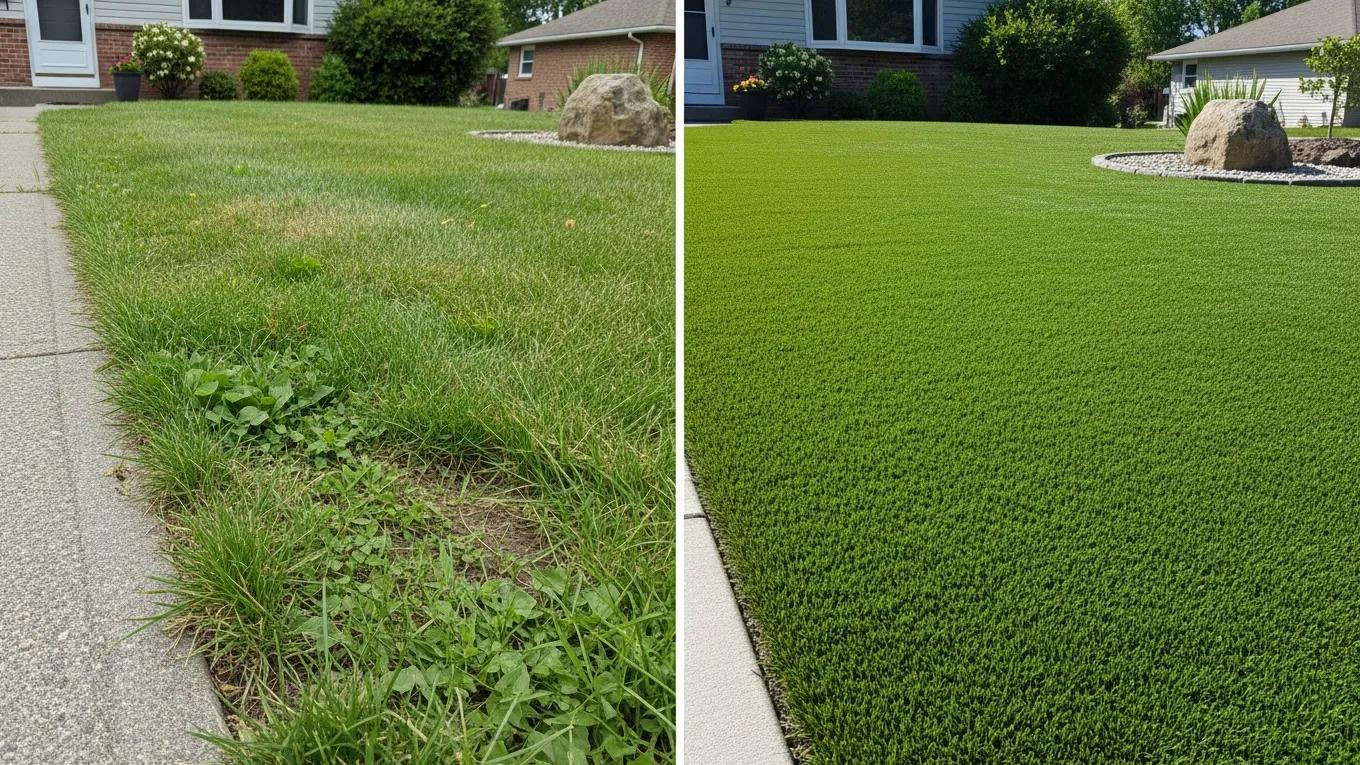
Neither option is universally “better” it really comes down to what you’re optimizing for.
Choose real grass if: your soil already supports a decent lawn, you don’t mind the weekly upkeep, and you want the lowest possible upfront cost.
Choose artificial turf if: you’ve fought the same dead patches for years, you’re managing a rental or vacation property, you want a pool-adjacent surface that doesn’t track mud into the water, or you have pets that have torn up your natural lawn beyond repair.
A lot of homeowners end up doing both keeping natural grass in the front yard for curb appeal while installing turf in a high-traffic backyard area, a dog run, or around the pool, where the practical benefits matter most.
How Long Does Artificial Turf Last?
With professional installation and reasonable care, quality artificial turf generally holds up for 15 to 20 years before the fibers start to show real wear. That lifespan depends heavily on installation quality a properly compacted base and correctly seamed turf will outlast a rushed DIY job by years, which is one reason it’s worth hiring an experienced installer rather than treating it as a weekend project.
Artificial Turf Maintenance: What It Actually Takes
“Low maintenance” doesn’t mean “no maintenance.” A realistic care routine looks like:
- Rinsing off pet waste and hosing down the surface periodically
- Brushing the fibers occasionally to keep them standing upright, especially in high-traffic areas
- Clearing leaves and debris so they don’t break down into the infill
- An occasional deep clean for pet odor control, if applicable
Compared to mowing every week and dealing with fertilizer schedules, it’s a significant time savings just not a zero-effort surface.
Best Uses for Artificial Turf: Pools, Pets, and Drainage
Poolside Turf
Turf around a pool deck solves a specific, common problem: mud and grass clippings getting tracked into the water. It also stays cooler than bare concrete in some configurations and gives you a soft, consistent surface for bare feet though it can run warm in full sun, so shade or specialty cooling infill is worth discussing if your pool deck gets all-day light.
Pet-Friendly Turf
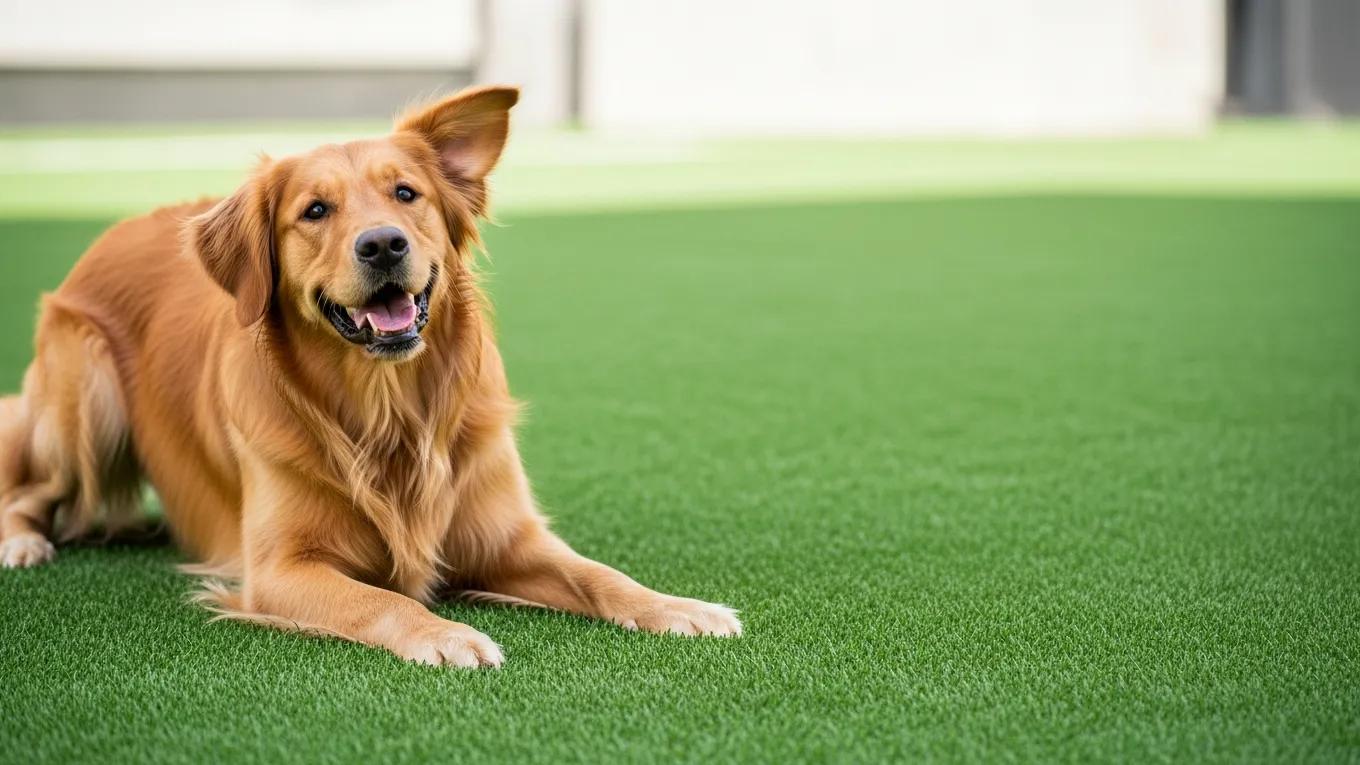
Pet-specific turf systems use antimicrobial infill and better drainage to manage odor and waste more effectively than standard residential turf. If your dog has already worn bare patches into your lawn, this is often where turf earns its keep fastest.
Turf and Drainage in Sandy Coastal Soil
Here’s a detail a lot of homeowners don’t expect: in low-lying or poorly draining yards, a properly installed turf system can actually improve drainage compared to struggling natural grass, because the base preparation includes a engineered layer specifically designed to move water away rather than let it pool.
Is Artificial Turf Worth It in Delaware? Our Take
For some yards, yes clearly. If you’re dealing with persistent dead patches, a high-traffic pool deck, a pet that’s destroyed your lawn, or a rental property that needs to look presentable without constant upkeep, artificial turf tends to pay for itself in both appearance and time saved.
For others, it’s a bigger investment than the problem really calls for. If your lawn is healthy and you don’t mind the maintenance, there’s no urgent reason to switch.
The honest move is to get a proper site assessment before deciding soil, drainage, and how the space actually gets used all factor into whether turf makes sense for your specific yard.
Frequently Asked Questions
Is artificial turf worth the cost?
For high-traffic areas, pool decks, pet runs, or yards where natural grass consistently struggles, most homeowners find the upfront cost worth it within a few years of saved water, mowing, and reseeding expenses.
How much does artificial turf cost per square foot in Delaware?
Installed cost varies by product grade, infill type, and how much site prep your yard needs. Basic residential turf sits at the lower end, while premium pet- or pool-grade systems with enhanced drainage cost more. A site visit is the only way to get an accurate number for your specific yard.
Does artificial turf get too hot to walk on?
It can run warmer than natural grass in direct, all-day sun something worth factoring in for pool decks specifically. Shaded areas and certain infill types help manage this.
How long does artificial turf last?
With professional installation, quality turf typically lasts 15 to 20 years before showing significant wear.
Is artificial turf good for drainage in sandy soil?
Yes, when installed correctly. The base preparation under turf is engineered to move water away from the surface, which can outperform struggling natural grass in low or poorly draining spots.
Is artificial turf pet-friendly?
Yes — pet-specific turf systems with antimicrobial infill are designed specifically to manage pet waste and odor better than standard turf or natural grass.
Ready to Find Out What Turf Would Cost for Your Yard?
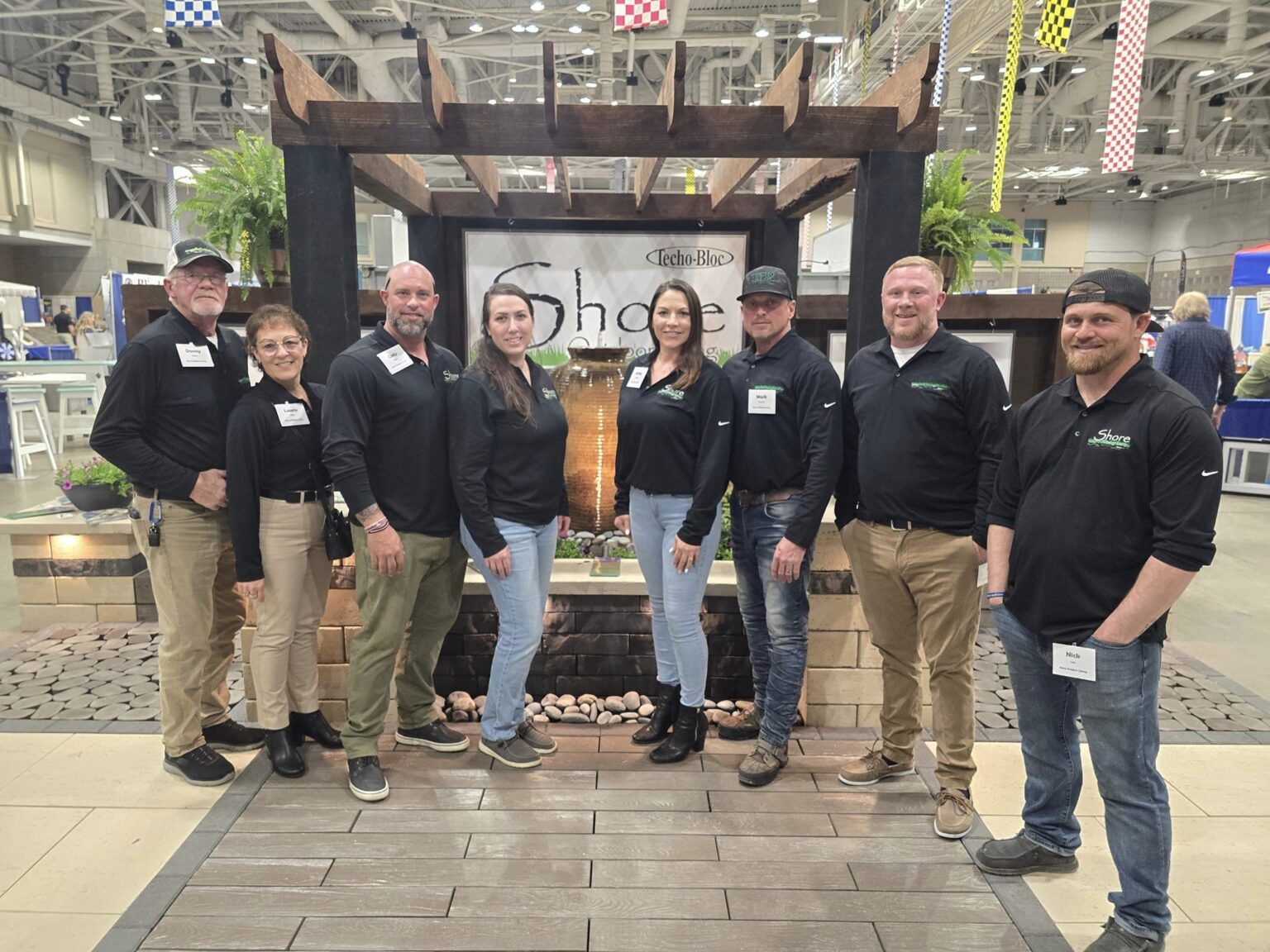
Every yard along the Delaware coast is different soil, drainage, sun exposure, and how the space gets used all affect whether artificial turf makes sense and what it will actually cost. Shore Outdoor Living has been installing custom outdoor living features across Sussex and Worcester County since 2015, handling every project in-house from design through installation.
If you’re trying to decide whether turf is the right move for your backyard, pool deck, or pet area,contact Shore Outdoor Living for a free, no-pressure consultation. We’ll take a look at your specific yard and give you straight answers not a sales pitch.
